
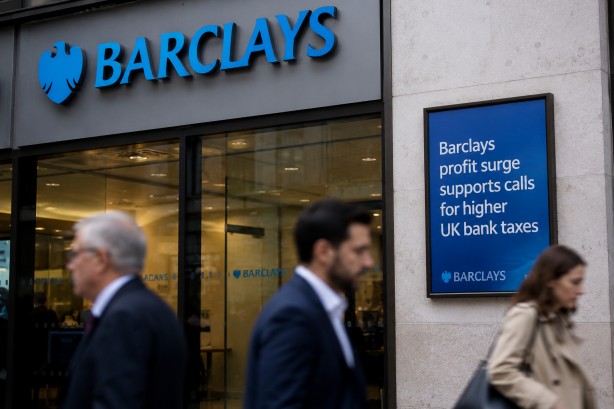
Barclays has unveiled its financial performance for the second quarter, showcasing a robust 31% increase in pre-tax profits year-on-year, amounting to £3.3 billion. This brings the bank’s total profit for the first half of the year to £6.1 billion, marking a 17% rise. In light of these results, there have been growing demands from the Trades Union Congress (TUC) for the UK government, led by Prime Minister Andy Burnham, to impose higher taxes on large financial institutions. The TUC argues that the substantial profits indicate that banks are in a position to contribute more significantly to alleviating the ongoing cost-of-living crisis.
Alongside these impressive profit figures, Barclays has also announced an increase of nearly 30% in its half-year bonus pool, which now stands at £1.3 billion. Additionally, the bank has revealed plans for £1 billion in share buybacks and £800 million in dividends to be distributed among shareholders. These financial maneuvers have further fueled the debate on whether banks should face increased taxation, given their strong financial standing.
In response to these calls for higher taxes, Barclays has defended its financial practices, emphasizing that UK banks already endure higher tax rates compared to many of their international counterparts. Executives from the bank have pointed out that the increase in the bonus pool is a reflection of their enhanced earnings. They also underscored the importance of a thriving banking sector as a cornerstone for fostering lending, investment, and overall economic growth.
The discussion surrounding the taxation of banks has intensified as Barclays’ financial success comes at a time when many households are grappling with rising living costs. The TUC’s position is that the substantial profits reported by banks demonstrate their capacity to shoulder a greater fiscal responsibility in supporting the broader economy. Meanwhile, Barclays maintains that its financial strategies are aligned with sustaining long-term economic stability and growth.
As the debate continues, the UK government faces mounting pressure to reconsider its approach to taxing the banking sector. With Barclays’ latest financial results serving as a focal point, the outcome of this discussion may have significant implications for the fiscal landscape and the role of major banks in addressing economic challenges.