
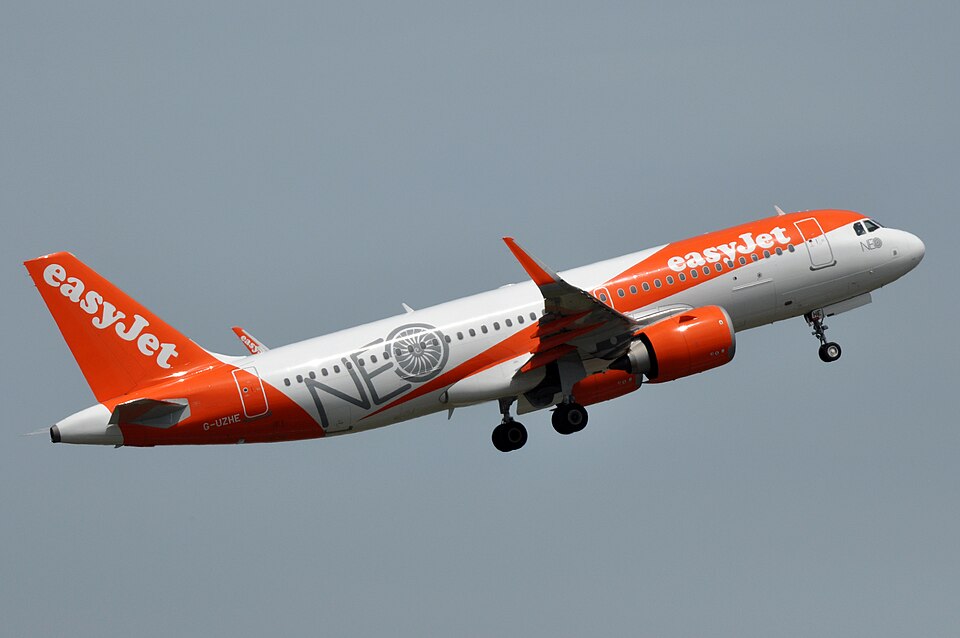
The British airline EasyJet has criticized an acquisition proposal from the American investment firm Castlelake, calling it “highly opportunistic.” According to EasyJet, the current share price does not accurately reflect the airline’s long-term worth. Castlelake has expressed interest in potentially acquiring the low-cost carrier and has already taken a 2.14% stake in the firm. The proposed offer suggests a valuation of at least 403 pence per share, which translates to around £3 billion.
In response, EasyJet highlighted that its share value has been temporarily affected by uncertainties in the market, particularly due to geopolitical tensions in the Middle East. These tensions have led to diminished consumer confidence and an uptick in jet fuel prices. Despite these challenges, EasyJet’s board remains optimistic about the airline’s financial health, strategic growth plans, and future profitability.
The announcement of Castlelake’s potential bid led to a significant rise in EasyJet’s share price, reaching its highest level in three months. The stock surpassed the proposed offer price, suggesting that investors anticipate either a higher bid or believe that EasyJet’s valuation should exceed Castlelake’s initial offer. Under current UK takeover laws, Castlelake has until June 26 to decide if it will proceed with a formal offer.
Industry analysts have pointed out that any takeover attempt could encounter regulatory challenges. European Union rules mandate that European airlines must be majority-owned and controlled by European investors, which could pose complications for a takeover by a U.S.-based entity. EasyJet, a key player in the European aviation industry, operates an extensive network across the continent and employs over 16,000 individuals.
Castlelake’s interest in EasyJet is consistent with its existing investments and financing arrangements within the aviation sector, signaling confidence in the carrier’s market position and potential for long-term earnings. This development underscores the increasing appeal of UK-listed firms to international investors, as many of these companies continue to trade at lower valuations compared to similar enterprises in other major markets.