
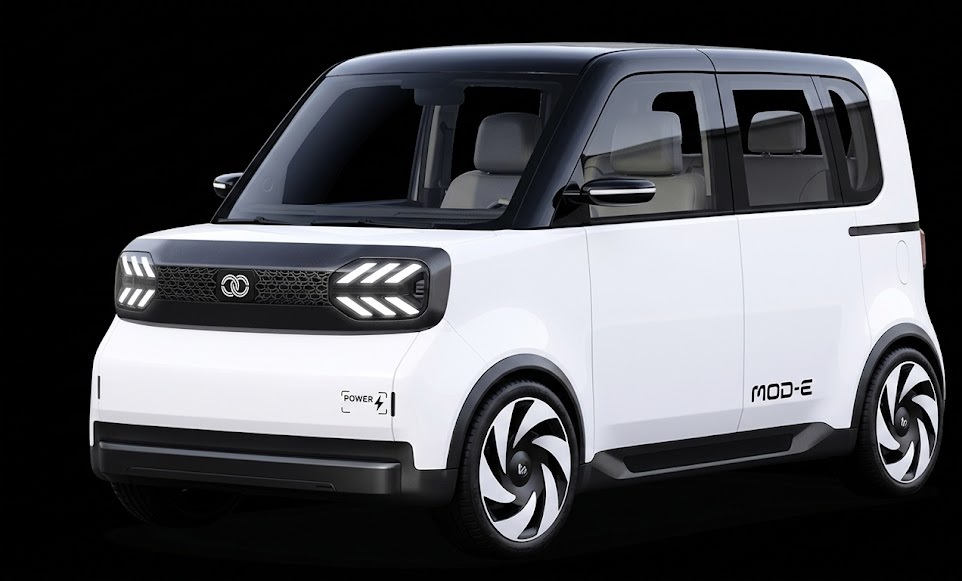
A new electric vehicle brand has emerged in Japan, the result of a collaboration between Japanese automotive companies and China’s Chery Automobile. This venture, known as EMTA, is set to debut its first model, an electric kei car, in 2027. The launch is spearheaded by EMT Co., a company based in Yokohama, which aims to tap into Japan’s significant kei car market by offering a compact, electric alternative.
The EMTA brand is supported by a consortium of companies, including Autobacs Seven and Anest Iwata from Japan, alongside Chery Automobile and a battery manufacturer. While the vehicles will be marketed and planned in Japan, the design and manufacturing processes will occur in China. These cars are expected to feature cutting-edge digital technology, including the capability for wireless software updates, seamless smartphone integration, and automated driving features.
Kei cars, which are small, lightweight vehicles, represent a crucial segment in Japan, comprising over a third of new car sales. They are predominantly used for short-distance travel, which alleviates concerns about the driving range, a common issue for electric vehicles. EMT also plans to utilize select Autobacs retail locations as sales outlets and has outlined ambitions to release three more electric models by 2029. Future objectives include considering domestic manufacturing and exploring international markets.
This initiative comes amid heightened competition in Japan’s kei EV market. Notably, Chinese company BYD is set to introduce its Racco kei EV tailored for Japan, while Nissan Motor has expanded its Sakura series to include a more affordable version. Additionally, Suzuki Motor is scheduled to launch a kei EV within the current fiscal year, and Honda Motor is working on an electric adaptation of its well-known N-Box, expected to hit the market in 2028.
The increasing number of contenders underscores the growing momentum within Japan’s small electric vehicle sector. Automakers are fiercely competing to capture the attention of urban consumers who are mindful of costs, signaling a shift in the landscape as electric mobility gains traction in the region.