
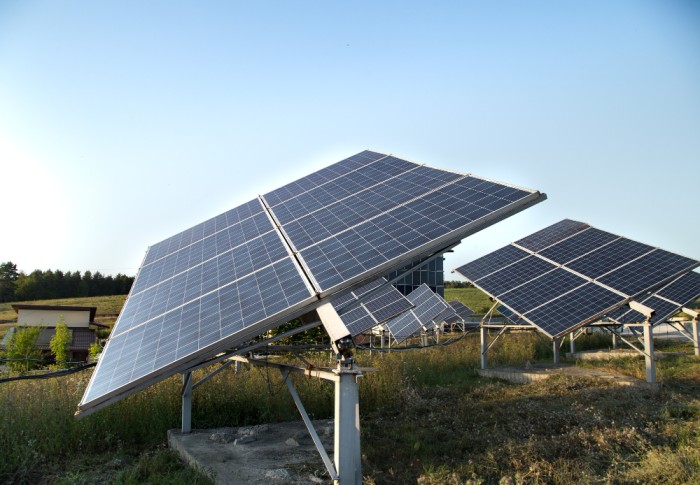
In a collaborative effort that underscores the potential of international partnerships in the renewable energy sector, China and Australia are making significant strides in solar energy technology. This cooperation marries Australian research innovations with China’s expertise in manufacturing, creating a formidable force in the global shift towards sustainable energy solutions.
For years, Australia has been a leader in the development of photovoltaic (PV) technology, with the University of New South Wales (UNSW) taking a pioneering role. The university’s breakthroughs, particularly those led by celebrated researcher Martin Green, have been instrumental in shaping the technology behind many of the silicon solar panels in use today. These advancements highlight Australia’s significant contributions to the field, attracting Chinese students and researchers who have trained in Australia and subsequently returned to China to further enhance their own solar capabilities.
The impact of this collaboration is most evident in China’s capacity to produce solar panels on a massive scale. Over the past two decades, China’s manufacturing prowess has been a key factor in reducing the cost of solar panels, thanks to advancements in technology and increased automation. This reduction in costs has made solar energy more affordable and accessible, contributing significantly to the proliferation of renewable energy options worldwide.
Australia, on its part, has emerged as a global leader in the adoption of rooftop solar systems. Currently, more than 4 million Australian households benefit from solar power, a trend that has not only decreased electricity costs for consumers but has also boosted the proportion of renewable energy in the nation’s power generation mix. This widespread adoption is a testament to the successful integration of solar technology in everyday life, further bolstered by the ongoing collaboration with China.
Industry experts hail the partnership between China and Australia as a model of how countries can effectively combine their strengths to achieve clean energy targets. While Australia’s role is defined by its cutting-edge research and ideal conditions for solar energy utilization, China contributes through its advanced manufacturing capabilities and technological enhancements. As both nations continue to invest in renewable resources, this partnership is expected to play a crucial role in supporting economic growth, enhancing energy security, and aiding global efforts to combat climate change through reduced carbon emissions.