
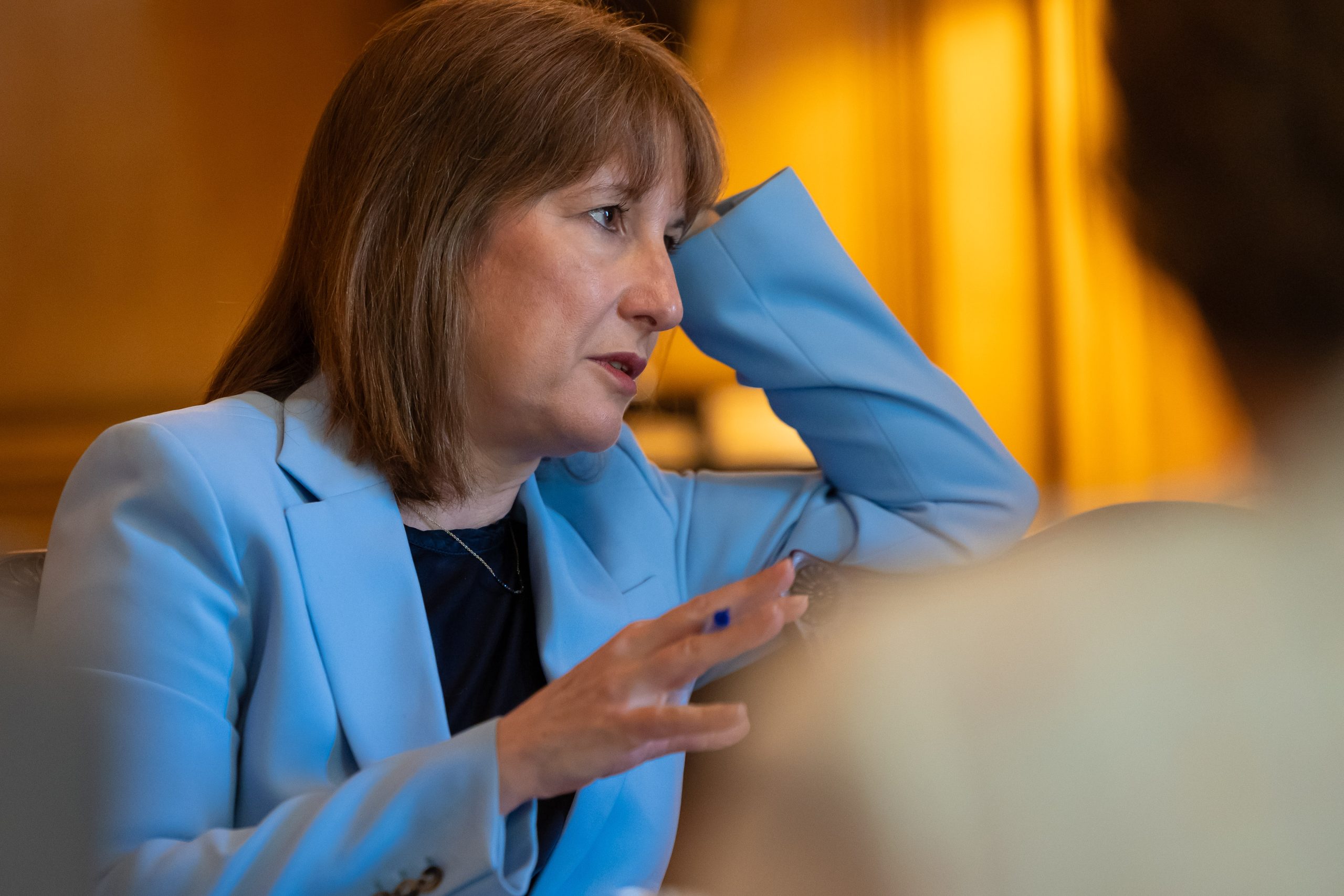
Chancellor Rachel Reeves has announced a comprehensive budget featuring £26 billion in tax increases, aimed at stabilizing the nation’s finances while promising to reduce living costs for millions of families. The announcement came after an extraordinary mishap when the Office for Budget Responsibility accidentally published full budget details an hour before her parliamentary address, triggering immediate reactions in bond markets.
The chancellor outlined her vision for a “fairer, stronger, and more secure Britain” during her highly anticipated Commons speech. Central to her plan is a pledge to combat inflation and fund major infrastructure developments. Reeves emphasized her commitment to easing financial pressures on households, stating that her budget would deliver immediate relief while ensuring long-term fiscal sustainability.
A landmark decision to scrap the controversial two-child benefit cap represents a significant policy shift for the Labour government. This measure is projected to lift 450,000 children out of poverty and demonstrates the government’s response to mounting pressure from backbench MPs. The chancellor described this as the largest single-parliament reduction in child poverty since records began when combined with other welfare initiatives.
The tax increases focus heavily on personal finances, with a £15 billion contribution coming from an extended three-year freeze on income tax thresholds. Additional revenue will be generated through a £2,000 cap on pension contribution exemptions starting in 2029, increased gambling taxes, new charges for electric vehicles based on mileage, and a high-value property surcharge nicknamed the “mansion tax.” These measures collectively address a £4 billion shortfall and create a £22 billion buffer against the chancellor’s fiscal rules.
To offset the tax burden, Reeves announced several cost-of-living relief measures expected to reduce inflation by 0.3 percentage points next year. Energy bills will drop by £150 through the removal of green levies, while rail fares, fuel duty, and prescription charges will remain frozen. Despite these interventions, the OBR downgraded growth projections for 2026 from 1.9% to 1.4%, reflecting ongoing economic challenges even as government borrowing is set to decline from 4.5% of GDP to 1.9% by 2030-31.