
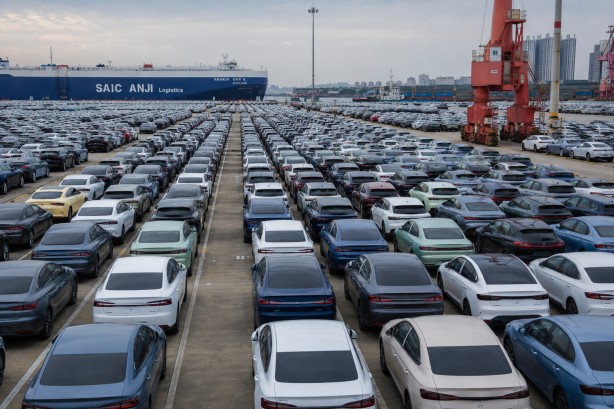
In recent years, China has emerged as the dominant force in the global electric vehicle market, propelling the growth of significant automotive companies and reshaping the industry’s landscape. This rapid expansion has not been without its challenges, as concerns have arisen over potential overproduction and escalating competition within the sector.
For the past ten years, various factors have fueled the electric vehicle boom in China. Government incentives, substantial local investments, and robust consumer interest have paved the way for hundreds of companies to venture into this burgeoning market. This approach has not only fostered some of China’s most successful automakers but has also enhanced the country’s prowess in battery technology and sustainable transportation solutions.
However, the swift pace of development has, in some instances, surpassed market demand. The result has been the construction of manufacturing plants with the capacity to produce more vehicles than the market can absorb, leading to intense price competition and financial strains across the industry. As companies slash prices to capture consumer interest and expand their market presence, smaller firms find it increasingly difficult to compete, while larger corporations continue to pour resources into technological advancements, production capabilities, and global expansion.
Amid these dynamics, Chinese authorities have expressed apprehension about the risk of overcapacity, cautioning that unchecked growth could pose economic challenges. Industry experts highlight the importance of balancing the drive for innovation and competitiveness with a focus on sustainable, long-term industry development.
Despite these hurdles, China maintains its leadership in the electric vehicle arena, with its manufacturers making significant inroads into international markets and setting the stage for a transformative shift in the future of transportation.